Poker Errors That Hold Skilled Players Back
2 August 2026 | 381
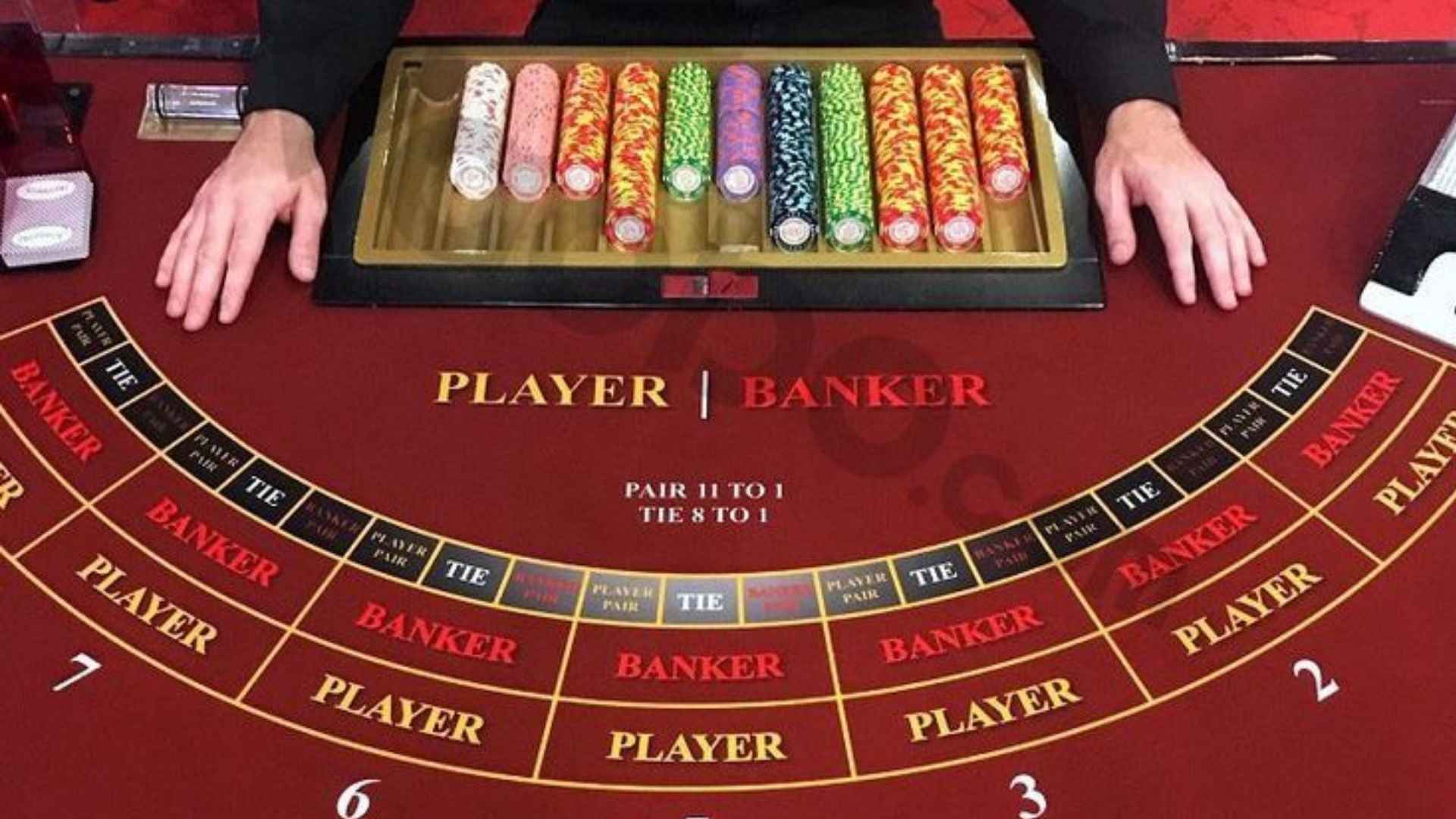
Moving from a competent poker player to a true master of the table requires a shift in how you analyze game strategy. While intermediate players often understand hand rankings and basic math, they frequently fall victim to subtle conceptual blind spots. Overcoming these hidden leaks is the defining factor that separates static players from those who consistently climb to higher stakes.
Over-Complicating Basic Situations
Skilled players often fall into the trap of assuming their opponents are playing at the same advanced level of thinking. This leads to executing highly complex bluffs against casual competitors who are only looking at their own card strength. Fancy play syndrome often results in giving away chip leads during standard betting rounds.
Instead of over-analyzing every move, maintaining a straightforward approach against straightforward opponents is far more profitable. It is vital to save complex tactical maneuvers for situations where your table image can genuinely influence another thinking player. Streamlining your choices keeps your strategy stable and prevents unnecessary variance from ruining your progress.
Misapplying Automated Strategies
With the rise of modern analytical tools, many experienced players spend hours studying theoretical charts and static game models. However, relying too heavily on rigid frameworks can cause you to miss dynamic opportunities for maximum value. True mastery requires adapting to real-time adjustments rather than playing like an unyielding computer program.
When a competitor displays clear behavioral patterns, choosing a strictly theoretical path can actively limit your session win rate. Developing your edge on reliable platforms like M88asia allows you to test out exploitation strategies against real opponents. Balancing book knowledge with sharp situational awareness ensures your strategy remains highly effective in dynamic environments.
Ignoring Minor Mental Fatigue
Even the most talented strategists can lose their technical edge when subtle emotional changes begin to cloud their decision-making process. Fatigue does not always show up as obvious frustration or reckless behavior at the table. Often, it manifests as minor impatience or a slight reluctance to make a difficult, high-stakes fold.
Failing to monitor your internal focus over long sessions quietly erodes the compound advantages of your technical skill. Recognizing when your analytical clarity begins to dip is crucial for protecting your long-term bankroll. Taking proactive breaks ensures that every bet you make is backed by objective logic rather than subtle exhaustion.
Failing to Standardize Review Habits
Many experienced competitors only review their major hands when they suffer an unexpected bad beat or a massive financial loss. This results-oriented approach ignores the structural errors that can occur during successful sessions where luck favored the outcome. Truly skilled players understand that winning a pot does not automatically mean the hand was played flawlessly.
Consistently reviewing your baseline decisions helps isolate hidden leaks before they become permanent behavioral habits. Examining marginal wins with the same scrutiny as major losses builds a balanced understanding of your overall execution. This disciplined commitment to continuous learning is what keeps top-tier players ahead of the shifting competition.