How A Lucky Wheel Turns Uncertainty Into Entertainment
20 August 2026 | 223
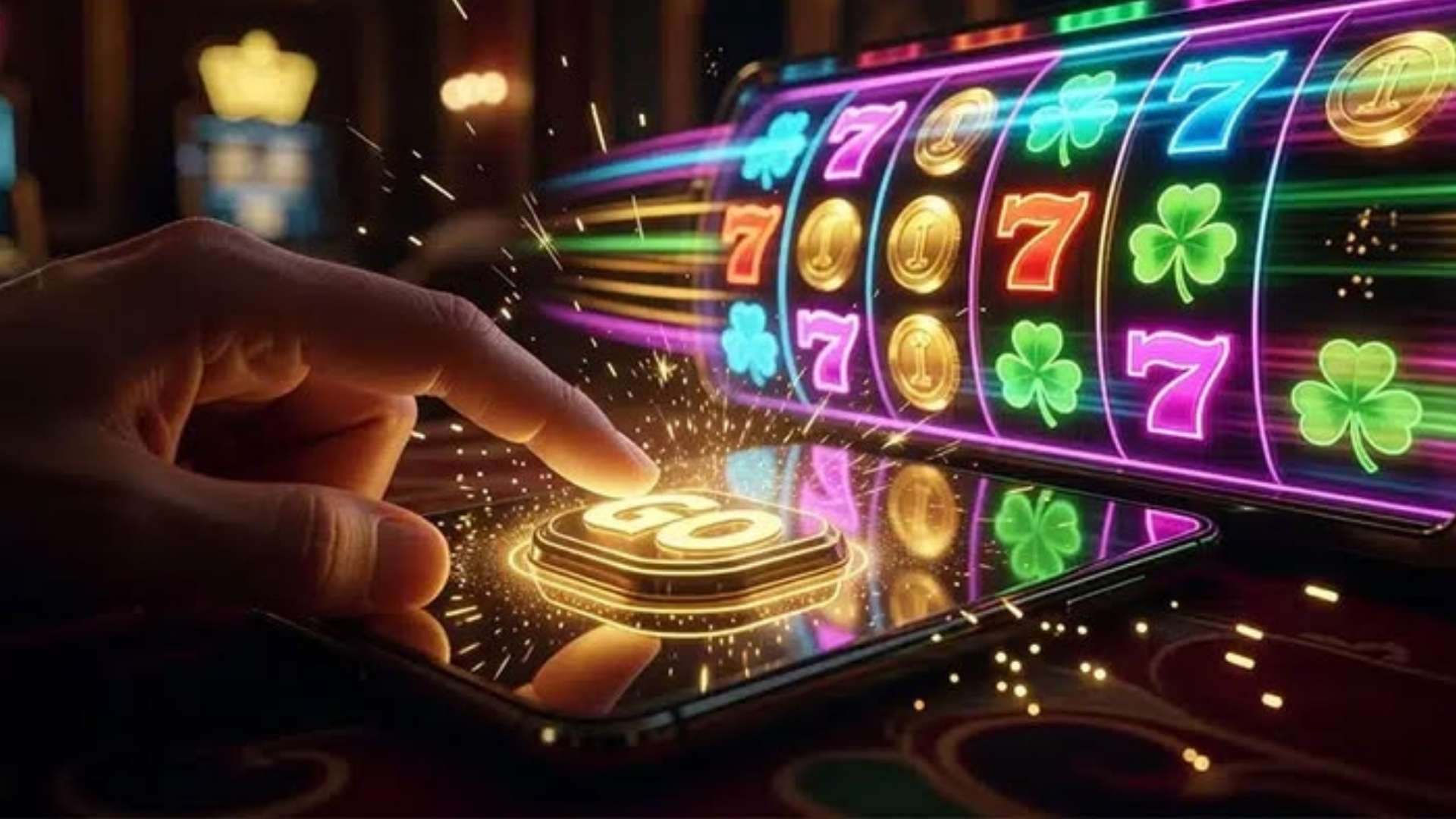
The human brain is naturally wired to seek patterns, making unpredictable environments a source of intense fascination. Lucky wheel mechanics capitalize on this biological trait by transforming complete random chance into an engaging consumer experience. By converting unknown results into structured fun, these interactive displays have secured a dominant role in digital media design.
The Psychology behind Random Selection
Uncertainty usually triggers anxiety in daily life, but gaming environments successfully reframe this stress into standard entertainment. When a participant triggers a spin, the immediate inability to foresee the final resting place generates a unique spike in emotional engagement. This brief period of waiting allows players to experience genuine mystery without facing any real-world risks.
Furthermore, the visual distribution of prizes across equal slices heightens this behavioral reaction. Seeing a massive variety of rewards displayed openly makes every option feel entirely possible, even if mathematical probabilities differ behind the scenes. This transparency establishes a trustworthy framework that encourages casual players to test their luck repeatedly.
How Pacing Creates Immersive Suspense
The true magic of a spinning game does not rely entirely on the quality of the final reward. Instead, the gradual deceleration of the indicator creates a powerful micro-moment where hope builds naturally. This deliberate pacing transforms a simple automated script into a dramatic narrative arc that unfolds within seconds.
Modern designers carefully calibrate these rotation mechanics to maximize audience attention during the final moments of a round. For example, verifying platform options through an official m88 link reveals how digital entertainment networks implement realistic physical friction models. This focus on realistic movement keeps users fully concentrated on the physical transformation from motion to complete stillness.
The Role of Sensory Reinforcement in Design
Audio and visual elements play a definitive role in shifting random numbers into satisfying consumer milestones. Vibrant colors, ticking acoustics, and flashes of light provide immediate feedback that validates the participant's direct involvement. These minor design choices turn a routine click into a multi-sensory celebration that leaves a lasting positive impression.
When a wheel hits a premium wedge, dynamic animations celebrate the victory to ensure the moment feels deeply earned. Even when a spin lands on a minor bonus, the supportive audio design mitigates disappointment by emphasizing a continuous journey of discovery. This careful balance helps casual applications maintain high user retention over extended gaming sessions.
Modern Variations and Structural Diversity
As digital technology evolves, creators continue to introduce innovative structural twists to keep traditional layouts fresh. Multi-tiered setups, puzzle integrations, and thematic storytelling motifs allow standard random generators to appeal to diverse user groups. These additions prove that simple principles can host surprising technical depth when executed with creativity.
Ultimately, the timeless charm of random distribution guarantees that spin mechanics will always hold a secure place in modern entertainment design. Their extreme approachability ensures that anyone can dive into the action immediately without studying complex rules or formulas. By blending clean design with the natural allure of mystery, developers guarantee that the thrill of the spin remains eternal.